
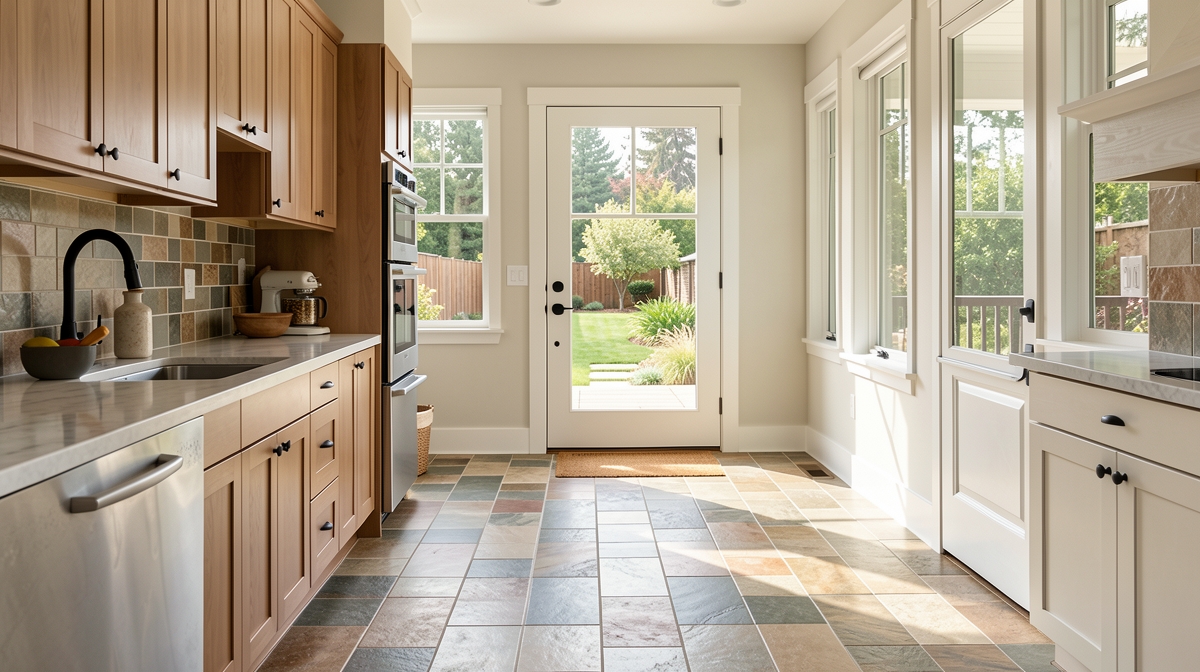
Choosing tile for a Marin County bathroom, kitchen, entry, or patio starts with the demands of the space. Color and pattern matter, but so do water exposure, foot traffic, slip resistance, installation requirements, and the way a finish looks in your own light.
Tile shopping can still feel overwhelming. Boxes carry unfamiliar ratings, samples can look different under showroom lights than they do at home, and prices vary among materials and installation systems. Online photos are useful for narrowing the field, but they cannot show texture, true color, or variation across a larger surface.
Use the checks below to compare choices at tile stores in Marin County and select a product that fits the room, installation, and budget.
How Do I Read a Tile Label Before I Buy?
Every box of tile states its intended use, and learning a few ratings can prevent an unsuitable choice. When you’re comparing options at tile stores in Marin County, look for the tile’s grade, PEI rating, water absorption, coefficient of friction, location guidance, and tone.
- Grade: Tiles are graded from one to three. Grades one and two are suitable for floors, while grade three tiles aren’t heavy-duty enough to walk on and belong on walls only. You can use floor tile on walls, but never wall tile on floors.
- PEI wear rating: This applies to glazed tile. PEI I and II are wall-only. PEI III offers moderate wear resistance for most residential uses, PEI IV suits all residential and some light commercial spaces, and PEI V is for heavy commercial locations.
- Location and exposure: For an exterior installation, confirm that the manufacturer approves the product for outdoor use and that the installation system fits the substrate. Marin County projects may need to account for winter rain, coastal moisture and salt air where applicable, strong sun, drainage, and waterproofing details.
- Tone: Tone applies when tiles vary intentionally from piece to piece to mimic natural stone. If you want consistent color, avoid toned tile, and always ask before judging from a single sample.
Major manufacturers also test tile for slip resistance (DCOF), breaking strength, and more, and they publish those results. A good showroom can help you interpret them for your specific room.
Should I Choose Porcelain or Ceramic?
Both materials are durable, so the answer depends on where the tile is going. Porcelain is considered the premier floor tile because of its superior water resistance compared to ceramic. It’s denser, which makes it a bit more resistant to liquid absorption, and that matters in bathrooms, entryways, and kitchens. In most other respects, ceramic and porcelain perform similarly, so ceramic remains a smart choice for walls and drier rooms.
Finish matters too. Matte tile flooring generally offers the safest option underfoot, especially in areas that may become wet. If you’re tiling a shower floor or a mudroom that catches winter rain, that’s worth weighing alongside color and pattern.
If you want to compare materials side by side, our 6,000-square-foot San Rafael showroom carries natural stone, tile, plumbing accessories, and cabinetry under one roof. Seeing a large-format porcelain slab next to a handmade-look ceramic in person makes the decision much easier than scrolling photos, and our team can walk you through the ratings on any tile you’re considering.
What Formats and Layouts Are Worth Looking At?
Large-format tile generally means tile with at least one edge longer than 15 inches. Formats such as 12 by 24 inches and 18 by 36 inches are available, along with much larger porcelain panels. Larger pieces create fewer grout joints, but they also demand careful substrate preparation and handling, so compare the full installation requirements rather than the material price alone. In a small room, looking at a scaled layout or a large sample can show whether the format and pattern feel balanced in the available space.
Wood-look tile is another category to explore for spaces where the appearance of wood and the performance characteristics of tile suit the project. For an exterior application, use only a product and installation system approved for that location. And don’t overlook layout and grout as design tools:
- Running bond and stack bond are the most common layouts, but vertical stacking, diagonal, herringbone, chevron, and zigzag patterns can make a common tile look special on floors, walls, and backsplashes.
- Contrasting grout highlights the form of the tile for a bold, graphic look, while color-matched grout gives a subtler, more seamless effect.
- One designer tip is to use epoxy grout rather than cement grout, because it’s stain-resistant and easier to clean.
How Do I Keep the Budget Under Control?
Tile cost depends on the material, finish, format, pattern, room size, substrate condition, waterproofing needs, trim, grout, labor, and waste allowance. Compare the complete installed scope instead of assuming that one color or format will always be the least expensive.
A practical strategy is to mix price points. A simpler field tile on most surfaces can free up budget for a decorative tile in one focal area. Put performance first on floors and wet areas, then ask for the largest available sample so you can evaluate pattern and tone variation that a small chip may not reveal.
Walk Into the Showroom With Confidence
Choosing tile doesn’t have to feel daunting. Know your room’s demands, check the intended use and relevant ratings, weigh porcelain against ceramic for wet areas, and compare format, layout, installation, and grout within the complete budget. With those basics in hand, you can evaluate each option on its merits instead of guessing from a photo.
Miconi Marble & Tile is a family-owned showroom and installer serving San Rafael and Marin County since 1994, offering design help, material selection, supply, and installation for residential and commercial projects. Visit our Marin County tile showroom to compare materials in person and get guidance from selection through installation.